
"semi-forest coffee"
400 article(s) found

Ethiopian coffee·bulk commercial bean producing area: Eruba 07
Ethiopia's coffee bulk commercial bean production area: Irubaba elevation: 1350 - 1850 meters Forest/semi-forest coffee system Irubaba bulk commercial bean production area is located in the southwest of Kimbi, just bordering Sudan, Ethiopia's westernmost coffee production area, coffee growing elevation of 1350-1850 meters, most of the coffee here is transported to Kimma mixed, rarely sold independently. It's not fine.

Four forms of growth and production of Ethiopian Coffee
Growth and production patterns: There are four growth production patterns in Ethiopia, and 95% of coffee is produced from these types or systems.

Ethiopia Coffee bulk Commercial Bean producing area: Tibby / Bebeca 08
Ethiopia Coffee bulk Commercial Bean producing area: Tibe / Bebeca 08 Pastoral / Forest / semi-Forest Coffee system the two producing areas are very close. Tibbi has an enterprise-managed coffee plantation in the north of Bebeka. in recent years, the promotion of pastoral system has increased agricultural income, with an annual output of about 3000 tons. Both places have wild coffee, which has low yield and flavor.

Ethiopia Coffee bulk Commercial Bean producing area: Jinbi / Lekemp 05
Altitude: 1500-2100 m forest / semi-forest coffee system harvest time: February-April around the two cities of Ghimbi and Lekempti producing area names often appear jointly. Coffee roasters can use either or both. Lekempti is the capital of the region, but coffee beans with that name may come from the city of Ghimb, 100km away. Grew up in Siegopi.
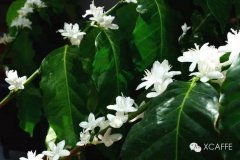
What Ethiopian coffee is grown in Ethiopia Manor?
The coffee-producing region of Ethiopia is divided into east and west parts by the East African Rift Valley, with lakes, volcanoes, lowlands, plateaus and woodlands interlaced, each evolving. Ethiopia has the most diverse coffee ecosystem in the world (forest coffee, semi-forest coffee, pastoral coffee and plantation coffee), which also preserves its rich Arabica genes. The eastern half is mostly plateaus, coffee beans.

Does the lion king in Sidamo, Ethiopia have lions? What's the difference between sunbathing and washing raw beans?
Does the lion king in Sidamo, Ethiopia have lions? What's the difference between sunbathing and washing raw beans? Origin: name: Ethiopia location: East African Capital: Adis Abba Addis Ababa Religion: Christian main language: Amharic time Zone: GMT+3 Metrology: metric (Metric) currency: bill Birr (1 $20 birr) Agricultural products (Export): coffee, flowers,

African coffee beans, ancient Ethiopian coffee, three cultivation of Ethiopian coffee.
Professional coffee knowledge exchange more coffee bean information please follow coffee workshop (Wechat official account cafe_style) Qianjie Coffee today introduces Ethiopian coffee, Ethiopia has the world's most diverse coffee ecosystem (forest coffee, semi-forest coffee, pastoral coffee and plantation coffee), which allows its rich Arabica genes to be preserved, plus sun exposure,
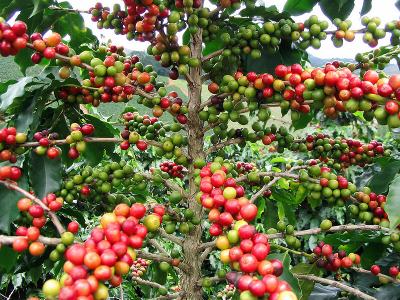
Fine coffee beans: 4 forms of Ethiopian coffee growing and producing
Growth and production patterns: There are four growth and production patterns in Ethiopia, from which 95% of coffee is produced. 1. Forest In Ethiopia's coffee-producing areas in the south and south-west, most of them are wild or planted under natural forests, which provide natural shade for coffee trees, but the resistance is slightly weak. This production system accounts for about

Four forms of growth and production of Ethiopian Coffee in Coffee producing area
Growth and production patterns: there are four growth production patterns in Ethiopia, and 95% of coffee is produced from these types or systems. 1. Forest grows in southern and southwestern Ethiopia, mostly wild or under natural forests. It provides natural shade for coffee trees, but the resistance is slightly weak. This production system accounts for about

A brief introduction to Coffee Culture in Ethiopia
Sustainable coffee culture Ethiopian coffee beans grow in close to the natural environment, after years of planting under the same growth conditions, Ethiopian coffee beans have gradually adapted to the environment here. More than 60% of coffee beans are grown in forests or semi-forests. The villages that grow coffee in large areas account for about the total amount of coffee produced in the country.

Arabica Coffee beans Ethiopian Coffee represents Solar Sidama
Professional coffee knowledge exchange more coffee bean information please pay attention to the coffee workshop (Wechat official account cafe_style) a cup of water washed Yega Xuefei (Yirgacheffe) can bring out the exquisite flowers and sweet fruit taste is unparalleled; or sun-treated Sidamo, sweet, atmospheric, are the top representatives of Ethiopian coffee classics. Ethiopia

Ethiopia Coffee Bean Flavor Manor introduces Ethiopian boutique coffee beans
Ethiopian coffee beans grow in close to the natural environment, after years of planting under the same growth conditions, Ethiopian coffee beans have gradually adapted to the environment here. More than 60% of coffee beans are grown in forests or semi-forests. Large-scale coffee-growing villages account for about 35% of the country's total coffee production. Many of these are used.

Coffee producing and growing areas in Ethiopia
Ethiopian coffee beans grow in close to the natural environment, after years of planting under the same growth conditions, Ethiopian coffee beans have gradually adapted to the environment here. More than 60% of coffee beans are grown in forests or semi-forests. Large-scale coffee-growing villages account for about 35% of the country's total coffee production. Many of these are used.

High quality Coffee production and sales of Coffee from Ethiopia Coffee
Ethiopian coffee beans grow in close to the natural environment, after years of planting under the same growth conditions, Ethiopian coffee beans have gradually adapted to the environment here. More than 60% of coffee beans are grown in forests or semi-forests. Large-scale coffee-growing villages account for about 35% of the country's total coffee production. Many of these are used.

Introduction to Coffee Culture and Flavor in Ethiopia
Sustainable coffee culture Ethiopian coffee beans grow in close to the natural environment, after years of planting under the same growth conditions, Ethiopian coffee beans have gradually adapted to the environment here. More than 60% of coffee beans are grown in forests or semi-forests. The villages that grow coffee in large areas account for about the total amount of coffee produced in the country.

Djimmah is medium in texture and rugged with earthy Ethiopian boutique coffee beans.
The coffee-producing region of Ethiopia is divided into east and west parts by the East African Rift Valley, with lakes, volcanoes, lowlands, plateaus and woodlands interlaced, each evolving. Ethiopia has the most diverse coffee ecosystem in the world (forest coffee, semi-forest coffee, pastoral coffee and plantation coffee), which also preserves its rich Arabica genes. The eastern half is mostly plateaus, coffee beans.
Introduction to the characteristic flavor of four forms of Ethiopian coffee beans grown and produced in Ethiopia coffee
Growth and production patterns: there are four growth production patterns in Ethiopia, and 95% of coffee is produced from these types or systems. 1. Forest grows in southern and southwestern Ethiopia, mostly wild or under natural forests. It provides natural shade for coffee trees, but the resistance is slightly weak. This production system accounts for about

Ethiopian Coffee Manor Ted Manor Ethiopian Coffee producing area
Ethiopian coffee beans grow in close to the natural environment, after years of planting under the same growth conditions, Ethiopian coffee beans have gradually adapted to the environment here. More than 60% of coffee beans are grown in forests or semi-forests. Large-scale coffee-growing villages account for about 35% of the country's total coffee production. Many of these are used.
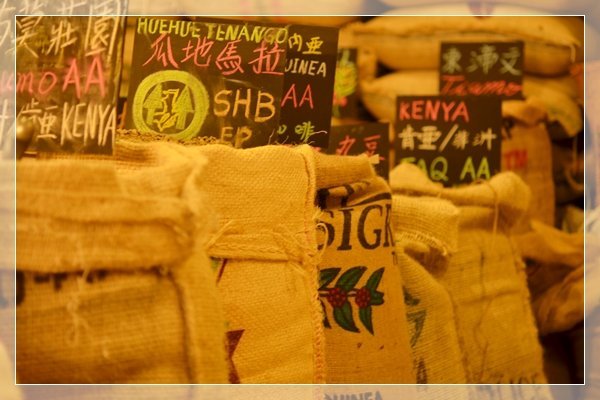
Ethiopia-Ghimbi, Sidamo, Harar and Yegashefi
Ethiopia's coffee-producing areas are divided into east and west parts by the Great Rift Valley. Lakes, volcanoes, lowlands, plateaus and woodlands alternate and evolve independently. Ethiopia has the most diverse coffee ecosystem in the world (forest coffee, semi-forest coffee, pastoral coffee and plantation coffee), which also allows it to preserve its rich Arabica genes. The eastern half is mostly plateau, coffee beans

Ethiopian Coffee Bean Flavor Manor introduces Ethiopian Coffee Brands
Ethiopian coffee beans grow in close to the natural environment, after years of planting under the same growth conditions, Ethiopian coffee beans have gradually adapted to the environment here. More than 60% of coffee beans are grown in forests or semi-forests. Large-scale coffee-growing villages account for about 35% of the country's total coffee production. Many of these are used.